The Podium in the Contract: Seven Tests for Naming Rights Sponsorships
Photo: Agron Berisha, CC BY-SA 4.0, via Wikimedia Commons
A naming rights agreement looks straightforward on a sponsorship deck: a prominent building, a long-term commitment, a logo on the marquee, and a steady stream of impressions. The financial and marketing cases are usually well developed. The reputational case is often reduced to a single question about whether the audience is desirable.
That is a narrow way to evaluate a public commitment. When a company puts its name on a stadium, arena, theater, or convention center, it does more than buy visibility. It attaches its brand to a venue that will host events, employ people, negotiate with municipalities, and respond to crises. The venue's owners and tenants will speak to the press. The teams that play there will take positions. The building will become a backdrop for moments the sponsor cannot script. In 2026, with public attention moving quickly and stakeholder expectations running high, the sponsorship contract is also a communications document. These seven questions help evaluate what it actually commits the brand to say.
1. What Triggers an Exit, and Who Decides?
Most naming rights agreements include termination provisions, but the details matter more than the existence of a clause. Does the sponsor have a right to exit if the venue or team suffers a reputational crisis? Is that right automatic, or does it require a subjective judgment by the sponsor? What notice period applies? Are there financial penalties, and do they change depending on the nature of the event?
A morality clause is only useful if it is specific enough to be invoked without a prolonged legal fight. The communications team should review the clause alongside legal and ask a simple question: if the worst plausible headline appeared tomorrow, could the company exit within a reasonable period without creating a second headline about the exit itself? If the answer is unclear, the clause needs work.
2. Who Controls the Podium During a Crisis?
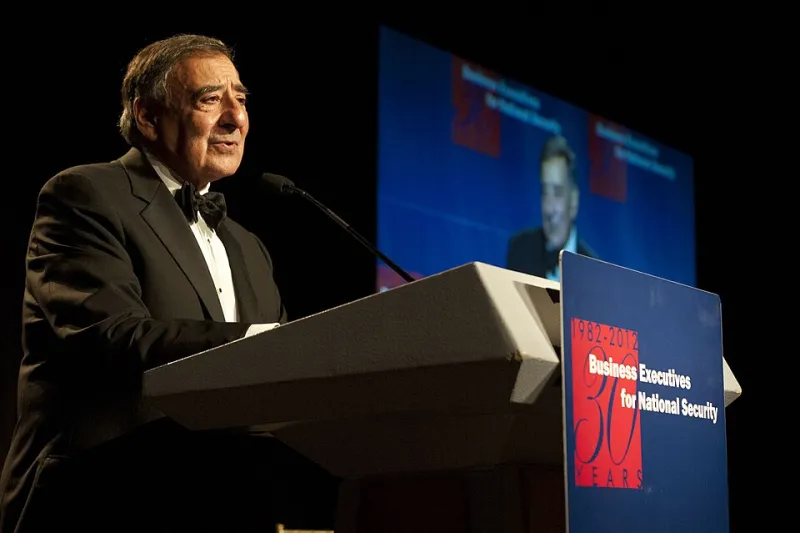
A venue is a communications platform. When a team owner, a promoter, a municipal authority, or a major tenant faces controversy, cameras will find the building and the sponsor's name will be in the frame. The sponsor may have no role in the statements made from that podium, but it will be associated with them.
The contract should clarify who speaks for the venue, whether the sponsor has any advance notice of major public statements, and whether the sponsor can request that its branding be removed or obscured during a crisis. Those requests are not always practical, but the absence of any protocol leaves the sponsor reacting in real time. A useful test is to ask who will call whom, and within what window, if a tenant is accused of misconduct or a municipal partner becomes embroiled in a political fight.
3. How Stable Is the Ownership and Tenant Structure?
Naming rights deals often outlast the people who signed them. The venue may change owners, the anchor tenant may relocate, or the operating agreement may be renegotiated. Each change can alter the brand's exposure. A new owner may have a different reputation, a new tenant may bring a different fan base, and a new operating partner may take a more aggressive approach to publicity.
The due-diligence process should examine the ownership structure, the length of tenant leases, and the financial health of the parties. It should also ask what happens if the anchor tenant leaves. A venue without its primary tenant may still host events, but the brand may find itself attached to a building searching for a new identity. Stability is not a guarantee, but it is a factor the sponsor can price and plan for.
4. Who Else Shares the Stage?
Sponsorship is rarely exclusive at the venue level. There may be founding partners, category sponsors, concessionaires, and event promoters whose brands will appear alongside the naming sponsor. Some of those partners may be unobjectionable. Others may create unwanted associations during particular events or campaigns.
The sponsor should map the venue's partner ecosystem and ask whether any existing or likely partners would be difficult to defend. It should also examine the venue's event calendar. A building that hosts political conventions, controversial speakers, or advocacy groups may generate headlines that the sponsor did not anticipate. The question is not whether the venue should avoid all contentious events. It is whether the sponsor is comfortable being visually present for them.
5. What Does the Reputational Record Show?
The venue, its owners, and its tenants have histories. Those histories may include litigation, labor disputes, safety incidents, discrimination claims, or prior controversies. A sponsor does not need a perfect partner, but it should know what it is buying into.
A structured review should include news archives, court records where available, regulatory actions, and social media sentiment. It should also include conversations with people who have worked with the venue or its tenants. The goal is not to find a reason to reject every deal. It is to identify the issues that are likely to resurface and to decide whether the sponsor has a credible response if they do.
6. Which Community and Political Flashpoints Are Built In?
A naming rights deal is often a civic statement. The venue may sit in a city with active debates about public funding, policing, housing, or economic development. The team may have a complicated relationship with its fan base. The venue's ownership may be involved in local politics.
The sponsor should identify the flashpoints that are most likely to generate press coverage and ask how the venue handles them. It should also consider its own stakeholders. Employees who live in the community, customers who attend events, and local officials who approve permits may all have views about the sponsorship. A deal that looks like a marketing win in the boardroom can become a local political story if the venue is associated with a controversial subsidy or development project.
7. How Will the Sponsorship Be Measured and Reviewed?
Reputational due diligence does not end at signing. The sponsor should establish a review process that goes beyond impressions and media value. That process should track reputational signals, including sentiment in local news, social media conversation, employee feedback, and customer inquiries. It should also include a scheduled review of the relationship with the venue's leadership.
The review should have consequences. If the venue repeatedly creates reputational exposure, the sponsor needs a defined path for escalation, renegotiation, or exit. A naming rights deal is a long-term public commitment, but it should not be an irreversible one. The contract should give the sponsor enough visibility and enough leverage to act before a series of small incidents becomes a defining association.
The Name on the Building Is Also a Sentence
A naming rights sponsorship is often described as a branding investment. It is also a sentence that the company will be asked to finish. When the venue's owners speak, when a tenant faces a scandal, when a city debates the role of the building, the sponsor's name will be part of the story. The seven questions above do not eliminate that risk. They make it visible, negotiable, and manageable.
For communications leaders, the lesson is that sponsorship due diligence belongs in the same room as legal, finance, and marketing. The 360-degree view of a sponsorship is not just a view of the audience. It is a view of the podium, the partners, the contract, and the headlines that have not happened yet.